Coexisting with wildlife has always been a problem for mankind. New technology has given us the opportunity to coexist with wildlife like never before. Here are just a few nifty things:
Critter Crossing
If you live in a wooded area like I do, you are very familiar with the sight of roadkill. It's an unfortunate result of the expansion of human development that cannot be prevented....or can it? In the Netherlands, wildlife crossing bridges have been made to allow animals to cross over roadways safely. Not only is it good for the animals, it's also good for people- in the US there are 200 fatalities annually due to collisions with deer. For educational purposes, the bridges can be fitted with cameras to collect data about the animals using them, providing important information about wildlife populations. In North America, only Alberta, Canada, has these structures, but hopefully we will see them more widespread in the very near future!
Shark Suits
The fear of sharks keeps many people out of the ocean. But sadly, most incidents with sharks are when they mistake a person for something else. These special wetsuits are meant to help mitigate that possibility. Some designs are blue and wavy to camouflage in the ocean, and some are striped to mimic lionfish- something sharks don't want to eat. However, these designs aren't guaranteed to help, and some scientists think it might have the opposite effect. Don't worry, if you're really paranoid you can just wear chain-mail underwater.
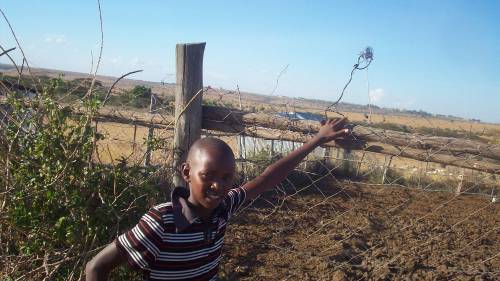
Shining the Light on Lions
This story is from 2013, but is by no means outdated. A 12-year-old boy from Kenya sought to stop lions from killing livestock in a non-lethal manner. He came up with a simple system of moving lights, and viola! the lions are deterred from livestock, and saved from the gun of an angry farmer. The moral of the story? Sometimes simple solutions are the best, and no matter what age you are, you can make a difference. Read more about it here.
Edible Cutlery
I've talked about the horrors of plastic before, and this invention specifically tackles the problem of plastic utensils, such as the ones used by fast-food joints once then thrown away. This company has made edible cutlery out of sorghum flour, which is incredibly efficient to manufacture, saving energy and reducing plastic waste. They even come in different flavors! Less plastic means a healthier planet for us and wildlife.
Thanks for reading everyone, and I hope you come back soon!
Monday, March 28, 2016
Monday, March 21, 2016
Creature Feature: The Mighty Manta Ray
In today's blog, I'll be talking about these gorgeous animals:
Manta rays are cartilaginous fish, just like sharks and sting rays. There are two main types: oceanic and reef mantas. The oceanic mantas are migratory animals, whereas the reef varieties tend to stay local. Some mantas can be 23 feet long and weigh over 4,0000 pounds! Despite their potentially massive size, they eat tiny zooplankton, arrow worms, copepods, and mysid shrimp. There is a lot of information we still need to discover about manta rays. For example, we don't even know their exact lifespan, although guesses are between 50 and 100 years old.
Their courtship rituals are very interesting: male mantas will follow a female in a train, copying her every move, until she determines which is most physically fit and persistent (see video below). Manta rays are ovoviviparous, meaning they reproduce with young in eggs that hatch inside the body of the mother. Although witnessed in captivity, there have been no wild manta births ever recorded.
Since March is Woman's History Month, let me take this opportunity to talk about a pioneering scientist. Leading the world in research on manta rays is Andrea Marshall. Known as "Queen of the Mantas", she is the first person in the world to complete a PhD on them, and has co-founded the Marine Megafauna Foundation. In the words of her website: "Aside from dramatically increasing the level of knowledge on manta rays themselves, Andrea’s discovery of a new giant species of manta ray in 2008 was one of the largest new species to have been described by any scientist in the last 50 years. She is currently working towards the description of a third Manta species. Using her extensive travels to uncover anthropogenic threats to manta rays and expose unsustainable fisheries for them, Andrea remains deeply committed to developing better management strategies for regional populations of these rays and their critical habitats." You go Andrea!
Gill rakers, thin filaments in a manta ray's body, are used to filter food out of the water. But in recent years, they have been more harmful than helpful, since human's have decided they are valuable. Very similar to tiger bones or rhino horns, gill rakers can be used in traditional medicine, primarily in Southern China. They are also used as a substitute for shark cartilage in certain "medicines" (so we can only save one cartilaginous fish at a time I guess?). You can learn more from SharkSaver's website here. Some states and countries have banned the sale and trade of manta parts, but conservation efforts are nowhere near finished. A few blogs ago, I reviewed the show "Racing Extinction", and one of their feature stories was about a town in Indonesia. This village was responsible for the deaths of thousands of mantas, but after a decision by CITES, Indonesia became the world's largest manta ray sanctuary in January 2014. And what about the villagers you may ask? With help from organizations like WildAid, their town is becoming a thriving hub for ecotourism, and a shining example of how conservation efforts really can make a difference.
There are lots of really awesome organizations out there that are promoting manta conservation. Here are just a few links you should check out:
Manta Trust
Project Aware
Manta Ray of Hope
You can also visit one of my favorite blogs, Voice for the Voiceless, for more information on the conservation of rays, sharks and whales.
Thanks for reading everyone!
Manta rays are cartilaginous fish, just like sharks and sting rays. There are two main types: oceanic and reef mantas. The oceanic mantas are migratory animals, whereas the reef varieties tend to stay local. Some mantas can be 23 feet long and weigh over 4,0000 pounds! Despite their potentially massive size, they eat tiny zooplankton, arrow worms, copepods, and mysid shrimp. There is a lot of information we still need to discover about manta rays. For example, we don't even know their exact lifespan, although guesses are between 50 and 100 years old.
| A life-size model of an oceanic manta caught off of New Jersey in 1933. |
| It seems like I post a lot of pictures like this: a huge collection of body parts from a species of animal, taken by humans for their own selfish (and unnecessary) purpose. |
There are lots of really awesome organizations out there that are promoting manta conservation. Here are just a few links you should check out:
Manta Trust
Project Aware
Manta Ray of Hope
You can also visit one of my favorite blogs, Voice for the Voiceless, for more information on the conservation of rays, sharks and whales.
Thanks for reading everyone!
Tuesday, February 23, 2016
Dose of Disney: Snakes
I've talked before about how I despise animal stereotypes. Stereotypes are destructive and unnecessary, and spread fear and misinformation. "We don't like what we don't understand, in fact it scares us," to quote Beauty and the Beast, so the more we know about animals, there will be less needless fear.
Today, I'd like to talk about one type of animal: snakes. Snakes are often perceived as evil creatures, when, just like any other animal, they're just trying to survive. Disney films influence what many people think of animals based on their animated characters. So I've decided to rank six of their snake characters, from Evil to Good:
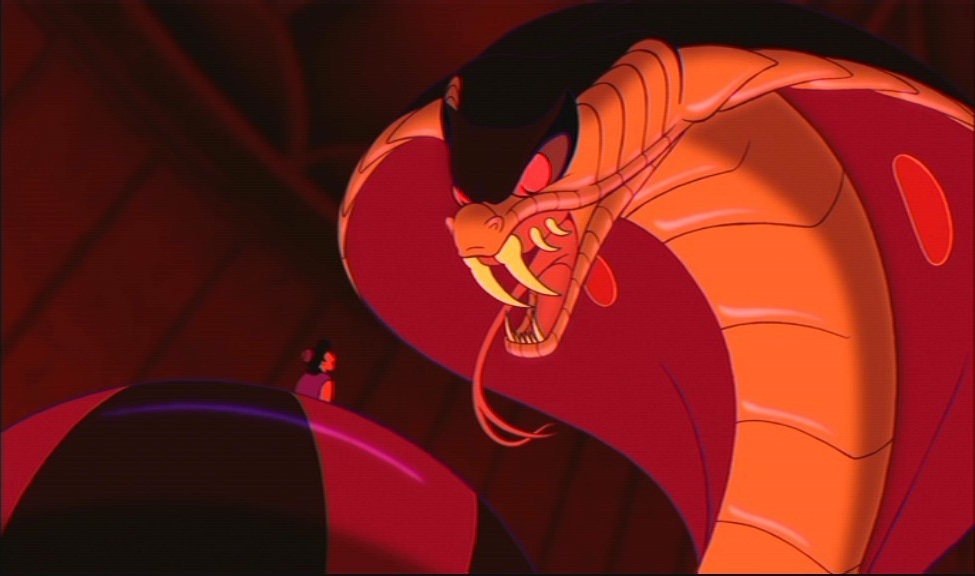
Jafar from Aladdin- EVIL
Jafar is your typical villain- cunning, manipulative, and obsessed over power. Towards the end of the movie, he transforms into a gigantic hooded cobra, like the hypnotic staff he carries in his human form. The message, therefore, is that snakes are far more dangerous and intimidating than humans. Even though Jafar isn't truly a snake, he's on this list because of the powerful impact his snake form has on his evil image.
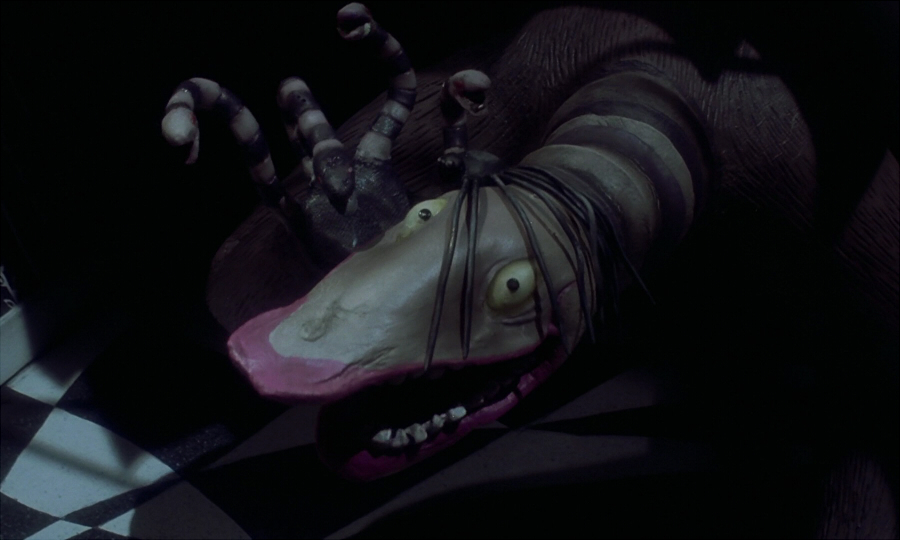
Monster Who Lives Under the Stairs from Nightmare Before Christmas- EVIL-ISH
We are introduced to this odd creature in the opening song "This is Halloween". Even though he's pretty scary, it's not because he's a snake, it's because he's from Halloweentown and his job is to scare. I still think scaring just for fun is bad, so that's why he's still somewhat evil. As far as stereotyping snakes, this character connects them to something frightening, but then again, Tim Burton's animation of elves is fairly creepy too.
Sir Hiss from Robin Hood- EVIL-ISH
Sir Hiss is the evil Prince John's henchman, er, hench-snake. I have to rank him as somewhat evil because he does help out the villain. However, by himself, he's really not that bad. Yes, he adds to the stereotype of snakes being hypnotic, and associated with evil, but when Prince John wants to kill Friar Tuck, Sir Hiss objects. Therefore, Hiss is only evil-ish.
Kaa from The Jungle Book- JUST A SNAKE
Not a villain, not a hero, Kaa is just a snake trying to find his next meal. Some call him Shere Khan's sidekick, but he's not- he clearly lies to the tiger/dictator's face. He may try to eat Mowgli, but I'm not counting that as evil because any snake would try to eat a helpless small mammal out in the wild. My biggest complaint about Kaa is the inaccuracy in hypnotizing with his eyes, like Jafar and Sir Hiss. But who can be mad at a snake with such a good song, sung by Winnie the Pooh?
Toy Snake from Toy Story- JUST A TOY
This snake is probably the most adorable on the list. He's not evil, he's a friend of Woody's. However, he's not a main character, with no real effect on the plot, so he doesn't quite reach the rank of "good". I do appreciate the fact that Disney/Pixar included toys of reptiles (Yay Rex!) and gave them a positive image.
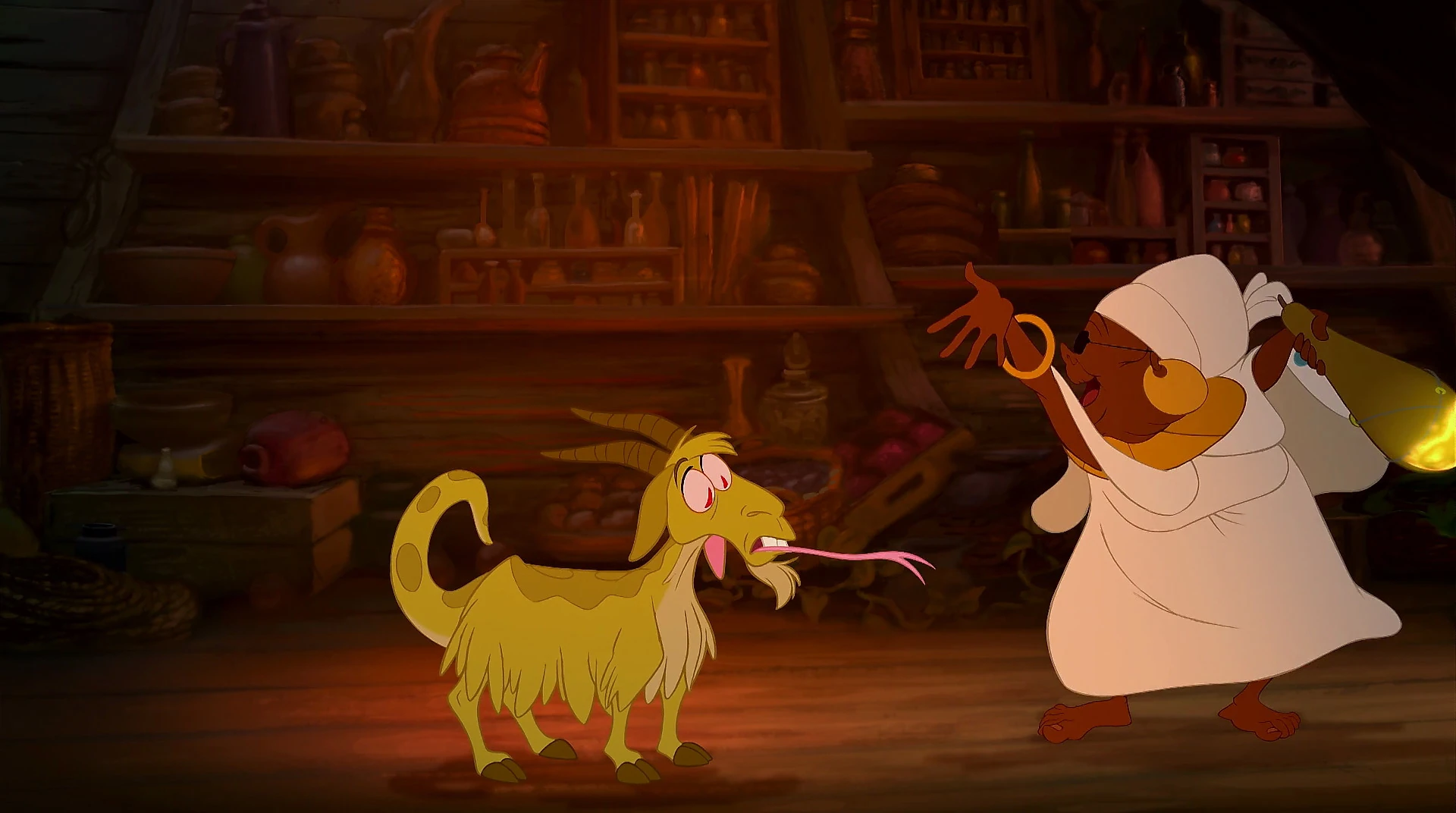
Juju from Princess and the Frog- GOOD
Juju is the pet of Mama Odie, a wise, old, sorceress. I love this duo so much, I even dressed as the whimsical Mama Odie for Halloween one year! And Juju is so much more than a pet to her- he lets her practice magic on him....
I hope you all liked my Dose of Disney, and thank you for reading!
Today, I'd like to talk about one type of animal: snakes. Snakes are often perceived as evil creatures, when, just like any other animal, they're just trying to survive. Disney films influence what many people think of animals based on their animated characters. So I've decided to rank six of their snake characters, from Evil to Good:
Jafar from Aladdin- EVIL
Jafar is your typical villain- cunning, manipulative, and obsessed over power. Towards the end of the movie, he transforms into a gigantic hooded cobra, like the hypnotic staff he carries in his human form. The message, therefore, is that snakes are far more dangerous and intimidating than humans. Even though Jafar isn't truly a snake, he's on this list because of the powerful impact his snake form has on his evil image.
Monster Who Lives Under the Stairs from Nightmare Before Christmas- EVIL-ISH
We are introduced to this odd creature in the opening song "This is Halloween". Even though he's pretty scary, it's not because he's a snake, it's because he's from Halloweentown and his job is to scare. I still think scaring just for fun is bad, so that's why he's still somewhat evil. As far as stereotyping snakes, this character connects them to something frightening, but then again, Tim Burton's animation of elves is fairly creepy too.
Sir Hiss from Robin Hood- EVIL-ISH
Sir Hiss is the evil Prince John's henchman, er, hench-snake. I have to rank him as somewhat evil because he does help out the villain. However, by himself, he's really not that bad. Yes, he adds to the stereotype of snakes being hypnotic, and associated with evil, but when Prince John wants to kill Friar Tuck, Sir Hiss objects. Therefore, Hiss is only evil-ish.
Kaa from The Jungle Book- JUST A SNAKE
Not a villain, not a hero, Kaa is just a snake trying to find his next meal. Some call him Shere Khan's sidekick, but he's not- he clearly lies to the tiger/dictator's face. He may try to eat Mowgli, but I'm not counting that as evil because any snake would try to eat a helpless small mammal out in the wild. My biggest complaint about Kaa is the inaccuracy in hypnotizing with his eyes, like Jafar and Sir Hiss. But who can be mad at a snake with such a good song, sung by Winnie the Pooh?
Toy Snake from Toy Story- JUST A TOY
This snake is probably the most adorable on the list. He's not evil, he's a friend of Woody's. However, he's not a main character, with no real effect on the plot, so he doesn't quite reach the rank of "good". I do appreciate the fact that Disney/Pixar included toys of reptiles (Yay Rex!) and gave them a positive image.
Juju from Princess and the Frog- GOOD
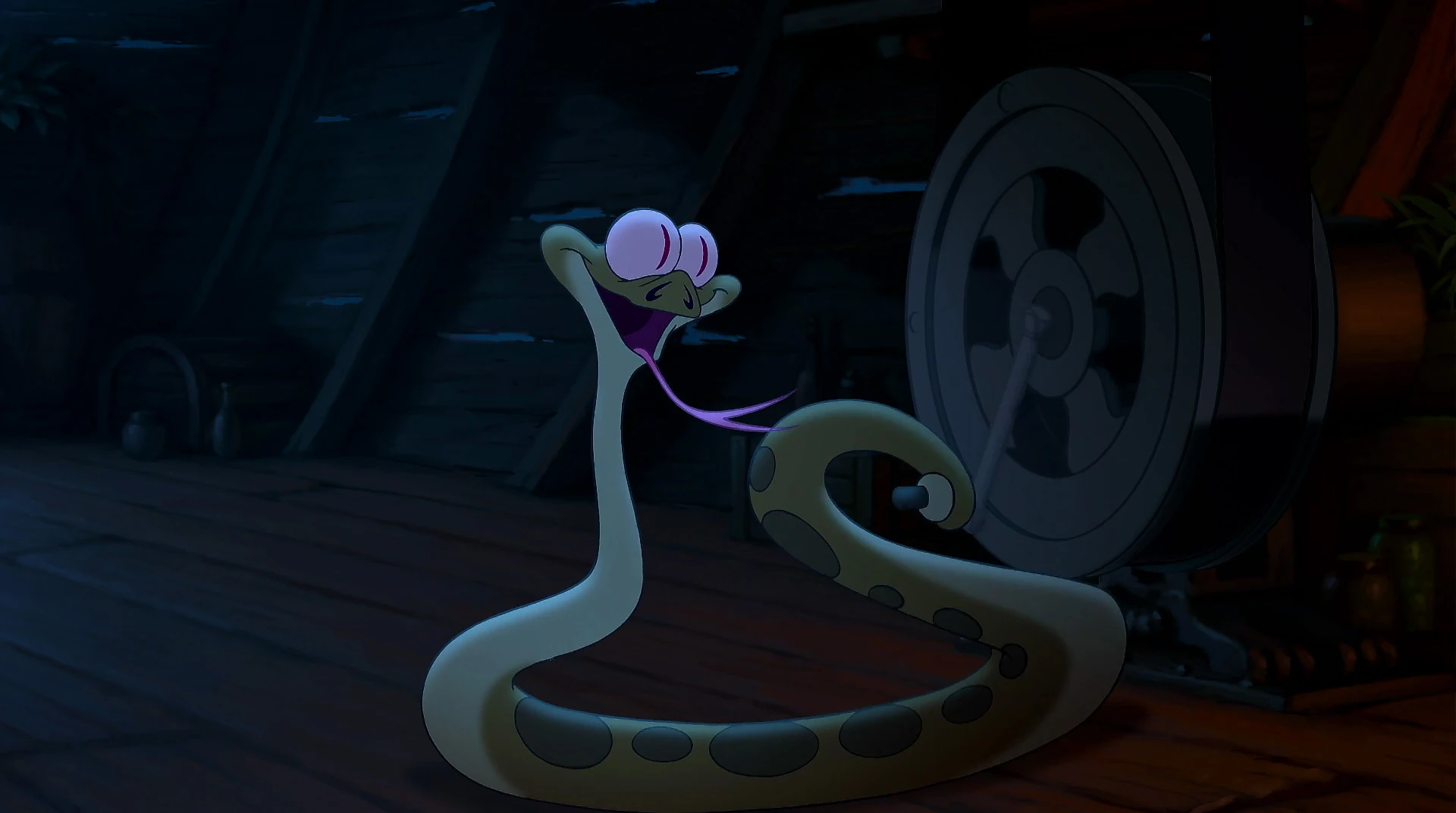
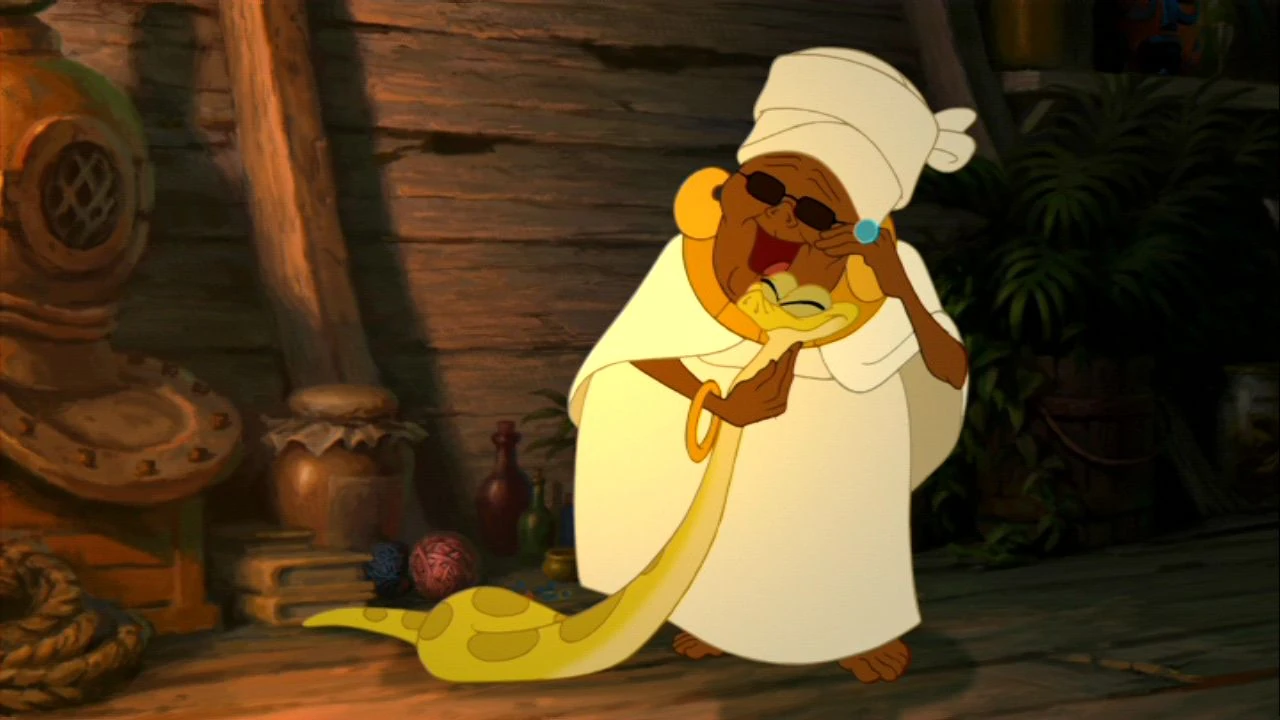
Juju is the pet of Mama Odie, a wise, old, sorceress. I love this duo so much, I even dressed as the whimsical Mama Odie for Halloween one year! And Juju is so much more than a pet to her- he lets her practice magic on him....
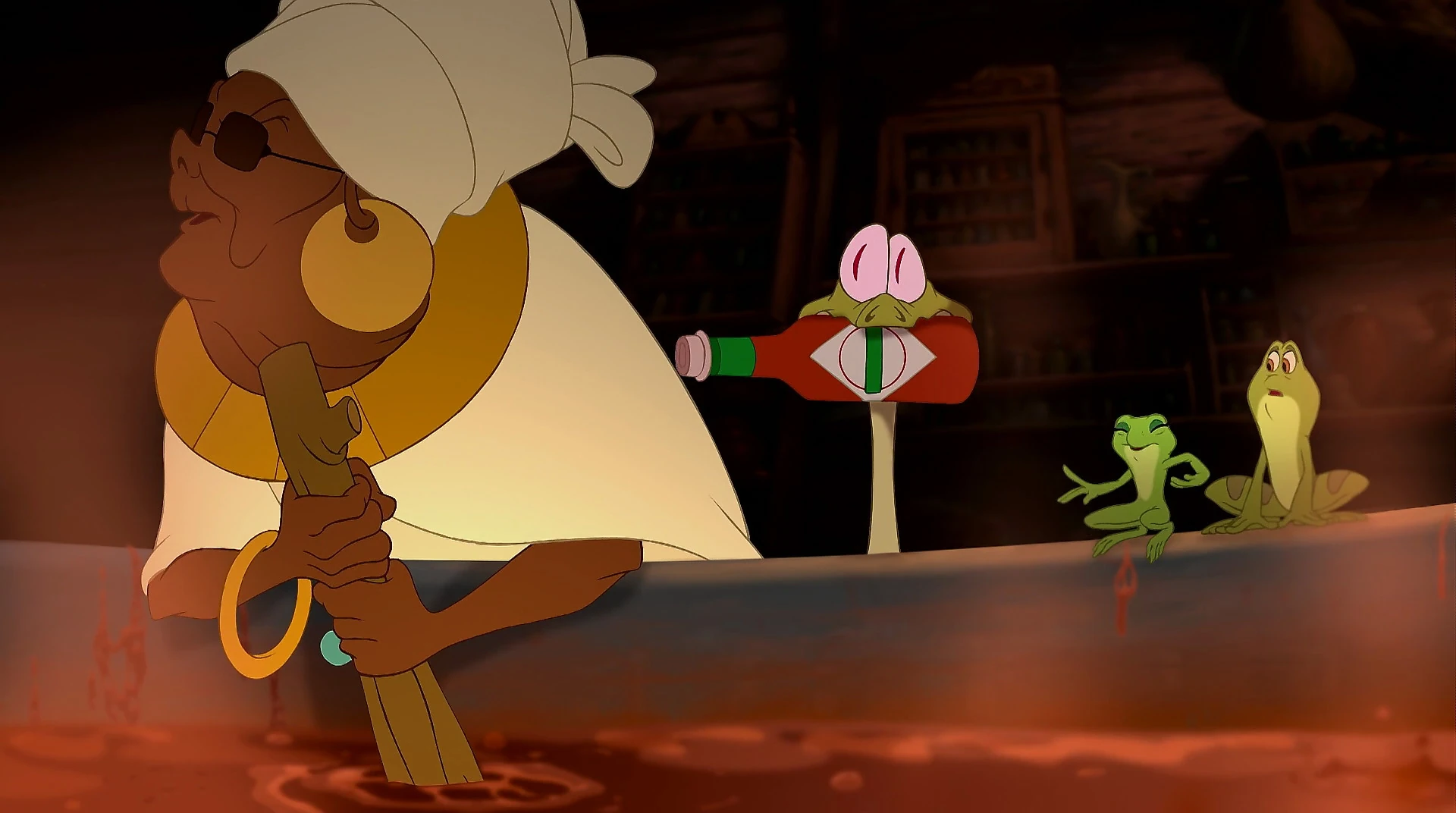
....and he helps her cook...
...and helps out around the house...
Basically Juju is an awesome character. Even though he can't speak, he has a funny personality, and helps out our protagonists. He gives all snakes a great image, and completely dissolves any air of intimidation or scariness with loyalty, friendliness, and hilarious facial expressions. A+ on this one, Disney!
I hope you all liked my Dose of Disney, and thank you for reading!
Monday, February 1, 2016
Creature Feature: Sea Otters and Global Warming
One of the cool things about sea otters is that they use tools! If you want to learn more, Buzzfeed's Otter Facts article is pretty interesting. A sea otter's diet includes crabs, mussels, clams, abalone, scallops, octopus, squid, snails, and sea stars. But what I want to talk about is their penchant for sea urchins.
![]() |
| Spikey, yet satisfying! |
Long story short:
Humans release Carbon Dioxide released into atmosphere --> Kelp Forests use Carbon Dioxide to photosynthesize --> Sea Urchins eat Kelp --> Sea Otters eat Sea Urchins
Sea otters not only make the world better by being super cute, they also help combat climate change just by chowing down on sea urchins. Thank you sea otters! And thank you for reading- check back soon for more!
Oh what the hay- here's a cute otter video!
Tuesday, January 26, 2016
Dose of Disney: The Lion Guard
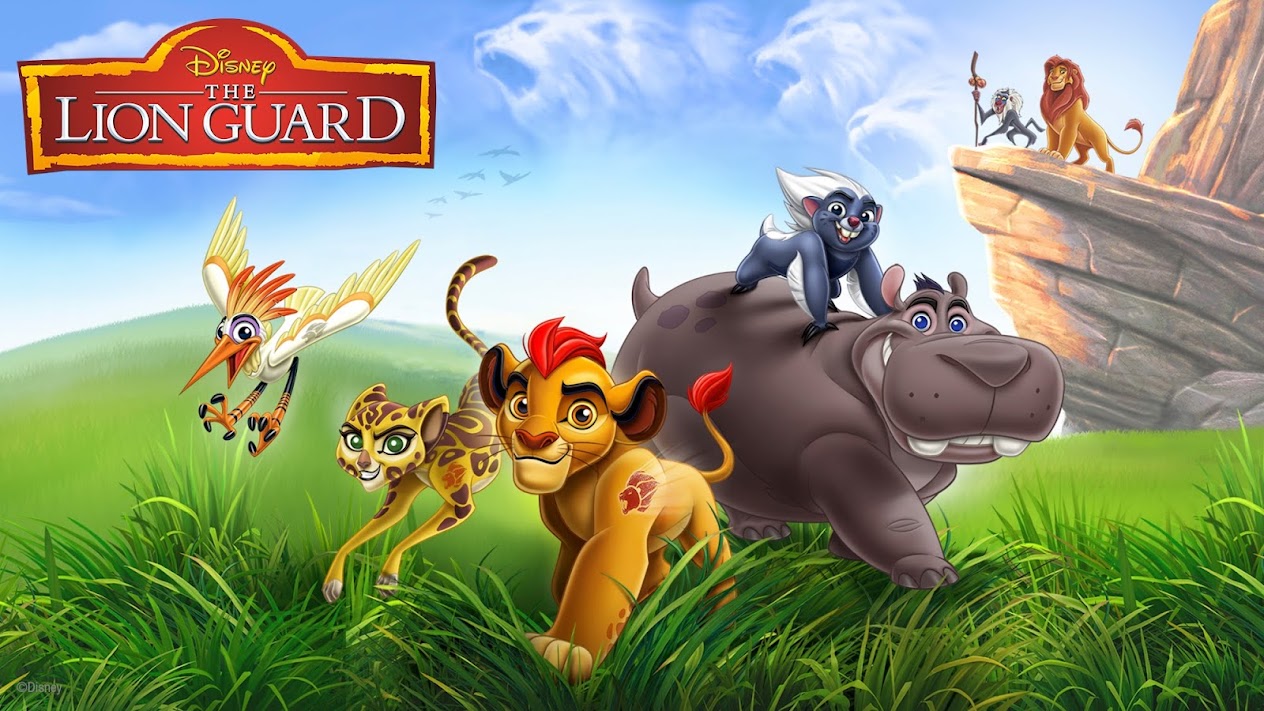
Hey everyone! What did I do tonight? Oh, you know, what normal adults do after a long day at work- sit down and watch the latest Disney Junior TV show.....and no, I don't have kids. Normalcy, or lack thereof, aside, watching The Lion Guard was a lot of fun.
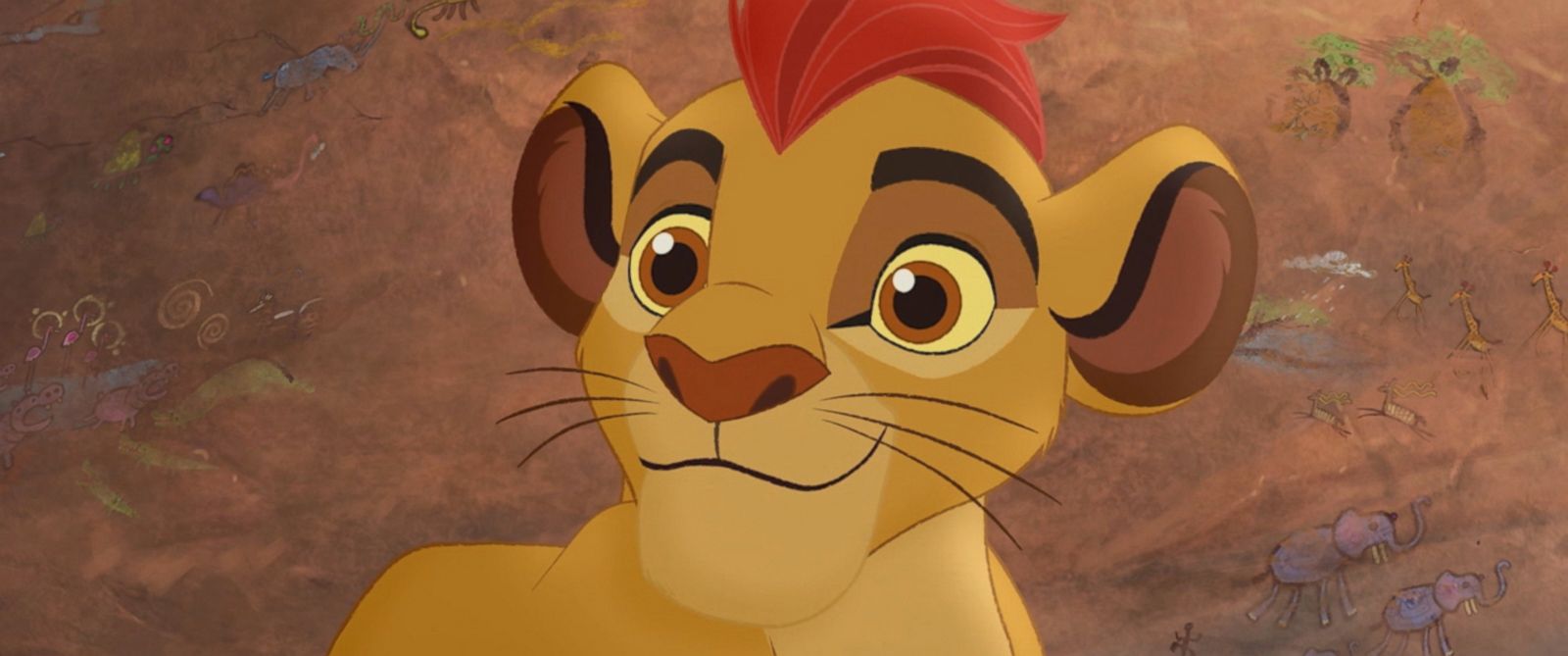
Now, I've only watched two episodes, but I can already say some pretty great things about it: The Lion Guard has animation reminiscent of the original Lion King movie, and includes a lot of original characters. It has great lessons, obviously geared towards kids, and also some adorable songs. I also have to note that I enjoyed when they introduced a hyena who wasn't evil, whereas in the original Lion King, all hyenas were evil minions of Scar.
| Check out the awkward baboon.... |
Why am I writing about this show here? Educational content. This show presents ecological concepts in a kid-friendly way. For example, a young crocodile challenges an older crocodile, demonstrating competition for dominance. Later on, the new crocodile leader goes into a new lake, pushing other animals out of their habitats in a domino effect, showing how one simple change can effect many other animals and disrupt the balance of "the circle of life". The one lion guard member, Ono, often gives little scientific facts that pertain to their adventure, like how rhinos roll in the mud to keep cool.
All in all- a very entertaining TV show that does a phenomenal job of promoting wildlife education, and I would certainly recommend it to anyone with kids, or any die-hard Disney fans.
Thanks for reading everyone!
Monday, January 11, 2016
My Resolution- Reusable Bags- My Results and Reactions
Hello all, and Happy New Year! So this post is a bit different, it's not about animals or wildlife, directly. It has to do with a little experiment of sorts. This past year I have made the effort to use reusable bags when shopping. It was my New Years Resolution. I keep a few in my car, take them with me into stores, and return them to my car once I've unloaded the goodies at my house. Not only is it better for the environment, but it's better for my mom's closet that has been plagued with plastic bags from stores intended for a future use.
It has been very interesting to observe what kind of reactions I get from cashiers and store clerks when I say "I've brought my own bags," or ask them to load my bags instead of theirs. Some cashiers don't seem to care, they don't say anything other than "OK". I can interpret this is one of three ways: 1) They don't care about the environment or anyone's efforts to help it, or 2) They don't care about their job, or 3) most optimistically, people using reusable bags is now a lot more common, and they are not surprised I brought a few.
Some cashiers are very happy! A few notable reactions sounded like this: "That's great!", "Yeah, you see so many plastic bags on the beach, it's sad.", and "We go through so many bags, glad to see someone bringing their own."
I was a bit annoyed at one store in particular that made me take a plastic bag, in order to know that I had purchased the item. Was printing up a receipt not enough? Or allow me to suggest what other stores do: use a "paid for" sticker, which is much less wasteful. I was even more peeved because the item was a pair of shoes, which were already contained in a box.
I've noticed a change in my own attitude, too. I feel proud walking into a store with reusable bags in my hands, as if making a statement. On the other hand, I now feel incredibly guilty if I buy things and have to use a plastic bag because I forgot my reusable ones! Forcing myself to look at how many plastic bags I use also conditioned my mind to recognize other wasteful things. For example, for Christmas I was given a box of chocolates. Normally, I would have dug right into it and mindlessly launched myself closer to diabetes. However, I first paused to look at the tremendous amount of packaging around my treats: plastic wrap, over a decorative holiday paper, then a cardboard box, with two plastic trays, separated by two paper cushions, holding candies all in individual paper cups. And, I thought to myself, between bites of chocolate, "How wasteful..." I bet if you start thinking about how much unnecessary plastic and paper packaging there is surrounding everyday items you'd come to the same conclusion.
Using less plastic bags is also contagious! My family has started adopting my reusable bag habit. My mother keeps several in her car, and my dad will ask for no bags when buying only a few items. Even if it's just a few of us, the amount of bags we save adds up. I plan on continuing my effort to reduce the amount of plastic bags I use, and I encourage every one of you to do the same! Or, if not plastic bags, make an effort to be less wasteful in general. Every little bit counts!
Thanks for reading everyone, and make sure you come back soon!
Thursday, December 17, 2015
News Review: Politics in Paris
Hey all! Thanks to everyone who looked at my recent blogs, it really means a lot to me, and I'm going to continue to reach out to more readers. This entry includes a few links to recent news stories, so here ya go:
Paris Climate Convention
The United Nations Conference on Climate Change (or COP21) is a unique opportunity for leaders around the world to meet in Paris and make monumental decisions on issues such as fossil fuel usage, carbon emissions, and financing the movement to end (or at least slow) global warming. The best explanation of the issues and their proposed solutions I've found in this article. "Long live the planet"!
GrubHub Bans Shark Fins
The United States' leading online and mobile food ordering company has banned the sale of shark products on their site! They said, "this is the right choice to protect the world's endangered species,", and it's thanks to the group Oceana. Great job!!
Lego League for Less Plastic Bags
For the year of 2015, my resolution was to use fewer plastic bags. I'll have more commentary on that in another blog, but the good thing is, I wasn't alone. Many individuals, and larger groups, have been moving to reusable bags. The titular link will bring you to an online petition by a club of schoolchildren vying to ban the use of plastic bags state-wide in Florida. According to Planet Ark, "Tens of thousands of whales, birds, seals and turtles are killed every year from plastic bag litter", so reducing the presence of plastic bags is an easy way to save lives. And, you know, we can put out an army of filtering trash cans in the ocean....
Ban on Microbeads
On the subject of plastic, the Microbead Free Waters Act will prohibit the use of microbeads in beauty products in July 2017. Soaps and scrubs have these tiny pieces of plastic, usually for exfoliation, and they contaminate all sorts of water sources. What's more, they are consumed by animals and they can end up in the food chain. It's refreshing to see the government taking action against this environmental concern.
Ivory meeting
Prince William organized a meeting to discuss the transportation of banned wildlife products. In this meeting, China has sent a delegate, and why is this news? China is a key player in combating wildlife crime, and there is a great deal of progress we've seen already. For example, the value of raw ivory in China has halved in less than two years. Hopefully, this trend will continue.
Thanks for reading everyone!
Paris Climate Convention
The United Nations Conference on Climate Change (or COP21) is a unique opportunity for leaders around the world to meet in Paris and make monumental decisions on issues such as fossil fuel usage, carbon emissions, and financing the movement to end (or at least slow) global warming. The best explanation of the issues and their proposed solutions I've found in this article. "Long live the planet"!
GrubHub Bans Shark Fins
The United States' leading online and mobile food ordering company has banned the sale of shark products on their site! They said, "this is the right choice to protect the world's endangered species,", and it's thanks to the group Oceana. Great job!!
Lego League for Less Plastic Bags
For the year of 2015, my resolution was to use fewer plastic bags. I'll have more commentary on that in another blog, but the good thing is, I wasn't alone. Many individuals, and larger groups, have been moving to reusable bags. The titular link will bring you to an online petition by a club of schoolchildren vying to ban the use of plastic bags state-wide in Florida. According to Planet Ark, "Tens of thousands of whales, birds, seals and turtles are killed every year from plastic bag litter", so reducing the presence of plastic bags is an easy way to save lives. And, you know, we can put out an army of filtering trash cans in the ocean....
Ban on Microbeads
On the subject of plastic, the Microbead Free Waters Act will prohibit the use of microbeads in beauty products in July 2017. Soaps and scrubs have these tiny pieces of plastic, usually for exfoliation, and they contaminate all sorts of water sources. What's more, they are consumed by animals and they can end up in the food chain. It's refreshing to see the government taking action against this environmental concern.
Ivory meeting
Prince William organized a meeting to discuss the transportation of banned wildlife products. In this meeting, China has sent a delegate, and why is this news? China is a key player in combating wildlife crime, and there is a great deal of progress we've seen already. For example, the value of raw ivory in China has halved in less than two years. Hopefully, this trend will continue.
Thanks for reading everyone!
Subscribe to:
Posts (Atom)